Wine Backgrounds for Covers: Setting the Scene for Sophistication
There’s a certain mood that wine evokes. It’s a feeling of relaxation, of celebration, of quiet sophistication. When you’re designing a cover for a creative project, especially something as personal as a coloring book, capturing that specific atmosphere is a powerful way to connect with your audience. A generic background can feel flat, but a thoughtfully chosen one tells a story before the first page is even turned. This is where specialized design assets, like a collection of wine-themed backgrounds, become invaluable. They offer a shortcut to creating a professional and evocative cover that stands out in a crowded marketplace.
More Than Just a Picture: The Anatomy of a Great Cover Background
At its core, a background for a cover isn't just a decorative element; it's the foundation of your entire visual hierarchy. It sets the stage for your title, your author name, and any other key information. A successful background must be visually interesting without being overwhelming. It needs to support the main text, not compete with it. The best backgrounds often feature a balance of texture, color, and composition that guides the viewer's eye naturally. For a theme like wine, you’re working with a rich and established visual language. Think of the deep, inviting reds, the warm amber of aged spirits, the rustic texture of a cork, or the elegant curve of a glass. These elements instantly communicate a sense of quality and indulgence.
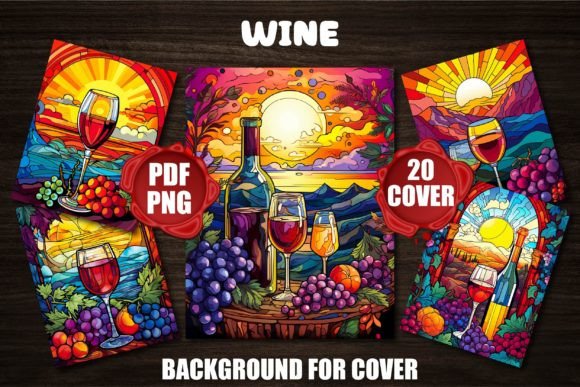
The appeal of these specific Wine Backgrounds for Covers lies in their AI-generated nature, which allows for a level of detail and artistry that is both unique and consistent. Each of the 20 backgrounds is crafted as a high-resolution PNG file at 300 dpi. This is a critical technical detail for any serious creator. It means the images are print-ready, ensuring that the fine details—the subtle swirls in the wine, the texture of wood, the soft glow of light—will remain crisp and clear, whether you’re publishing on Amazon KDP or printing a physical product. This focus on quality removes the guesswork and technical headaches, letting you focus on the creative aspect of your design.
Practical Applications: Where These Backgrounds Truly Shine
While the name suggests a specific use, the versatility of this design bundle extends far beyond just wine-themed coloring books. As a designer or publisher, you understand the importance of a cohesive brand identity. These backgrounds can serve as a central visual asset in a much larger project. Consider their use in:
- Book and Ebook Covers: The most obvious application. Perfect for adult coloring books focused on relaxation, mindfulness, or intricate designs. The sophisticated theme is ideal for a "Coloring For Grown-ups" or "Therapeutic Coloring" series. It immediately signals to the target audience that this is a premium, adult-oriented product.
- Digital and Print Marketing: Use these backgrounds for social media graphics, email newsletter headers, or blog post featured images to promote your coloring book. A consistent visual theme across all platforms strengthens brand recognition and creates a professional, polished look.
- Packaging and Product Design: If you sell physical products, like art prints, planners, or journals, these backgrounds can be adapted for packaging, inserts, or even the cover of the product itself, lending an air of elegance and luxury.
- Web Design Elements: A muted or blurred version of one of these backgrounds could make a stunning website background for a brand in the lifestyle, wellness, or creative space, adding depth and personality to your online presence.
The key is to see them not just as static images, but as flexible design assets. By cropping, adjusting the opacity, or layering text and other graphics, you can create a multitude of unique compositions from a single source file. This makes the bundle a valuable resource for any creative entrepreneur or small business owner looking to build a strong visual brand without a massive budget.
A Designer's Guide to Using Thematic Backgrounds Effectively
Simply placing a beautiful background behind some text isn't enough. To truly elevate your design, you need to think like a professional. Here are some practical considerations for working with assets like the Wine Backgrounds for Covers:
- Evaluate the Mood and Fit: Does the specific background's personality match your book's content? A background with a dark, moody aesthetic might suit a book of complex, meditative patterns. A brighter, more celebratory background could be perfect for a fun, lighthearted activity book. Always align the visual style with the project's core message.
- Master Typography and Hierarchy: Your title is the hero. Choose a typeface that complements the background, not one that clashes with it. A sophisticated serif font or an elegant script font often pairs well with a rich, thematic background. Ensure there is enough contrast for the text to be easily readable. This might mean adding a subtle shadow, a semi-transparent overlay, or placing the text on a less busy area of the image.
- Test Your Font Pairings: Your cover will likely have a main title, a subtitle, and an author name. Use font pairing principles to create a clear visual hierarchy. For example, use a bold, decorative display font for the main title and a clean, simple sans serif font for the subtitle and author name. This creates balance and ensures all elements are legible.
- Consider the Entire Package: The cover is just the beginning. Think about how the background's style can be carried through to the interior pages, the back cover, and your marketing materials. This consistency is what builds a strong and recognizable brand identity. It shows attention to detail and professionalism, which builds trust with your audience.
Ultimately, using a curated bundle of backgrounds is about working smarter. It provides a professional foundation, freeing you up to focus on the unique creative touches that will make your project truly yours. By combining these high-quality assets with thoughtful design principles, you can create a product that is not only beautiful but also effective in capturing the attention and imagination of your audience.